Harsil Valley: A Film the Mountains Are Still Writing
Harsil Valley is not a destination you visit it is a slow, silent film the mountains are still writing. Set along the Bhagirathi River near Gangotri, and shaped by villages like Dharali, Mukhwa, and Bagori, this valley carries history, faith, and everyday Himalayan life in its purest form. This story explores Harsil beyond landscapes through its people, seasons, traditions, and timeless stillness.
There are valleys you visit, and then there are valleys that slowly enter you, scene by scene, silence by silence.
Harsil Valley is not a destination it is a long, unhurried film, where the mountains don’t act, they exist, and humans appear only when necessary.
Set on the banks of the Bhagirathi River, Harsil lies on the ancient route to Gangotri. For centuries, pilgrims, traders, sages, and shepherds have passed through this valley but Harsil itself never followed them. It stayed still.
The First Frame: Entering Harsil
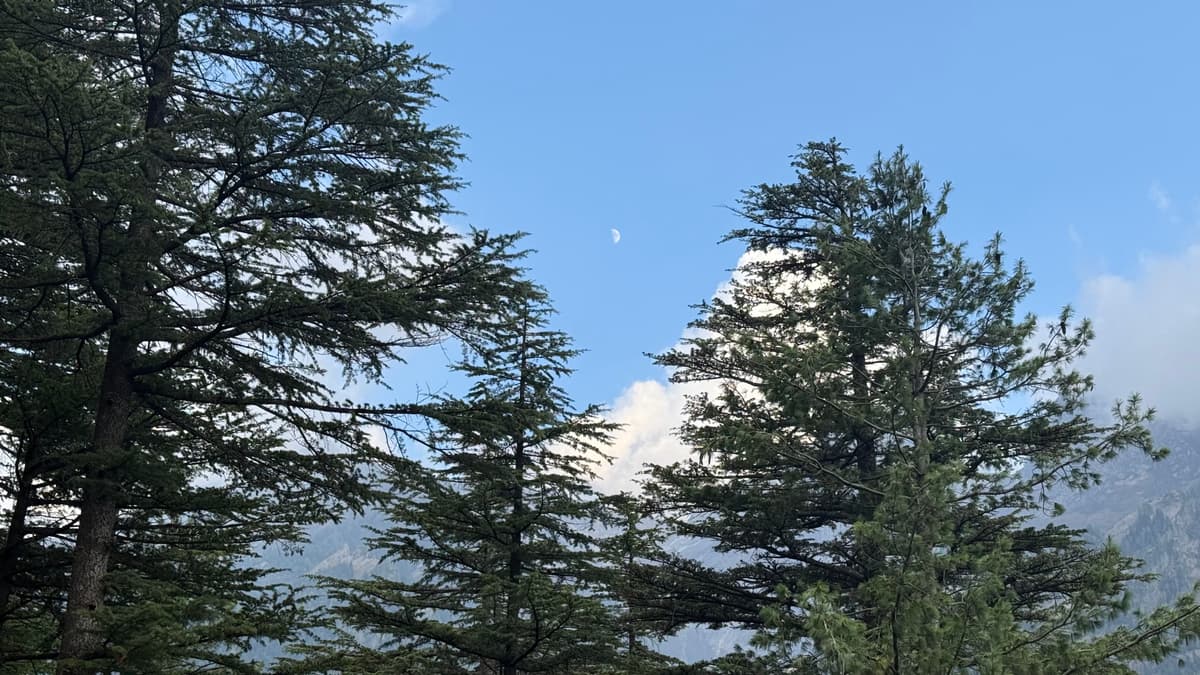
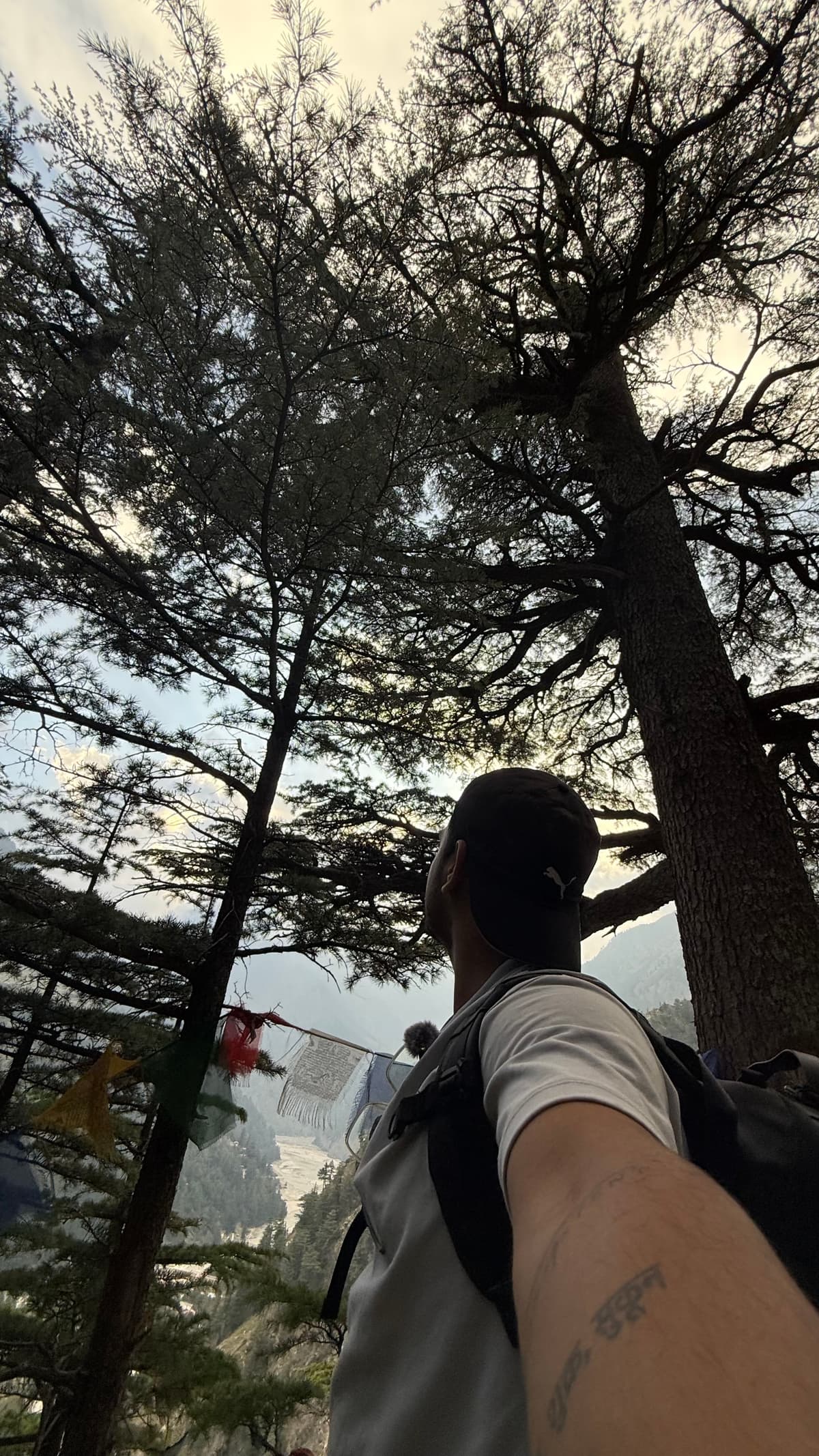
The road to Harsil feels like a slow dissolve transition. Pine forests thicken, the river sharpens its voice, and the air turns colder, cleaner, quieter. Mobile networks weaken, but something else strengthens attention.
Harsil doesn’t welcome you with shops or signs. It watches you arrive.
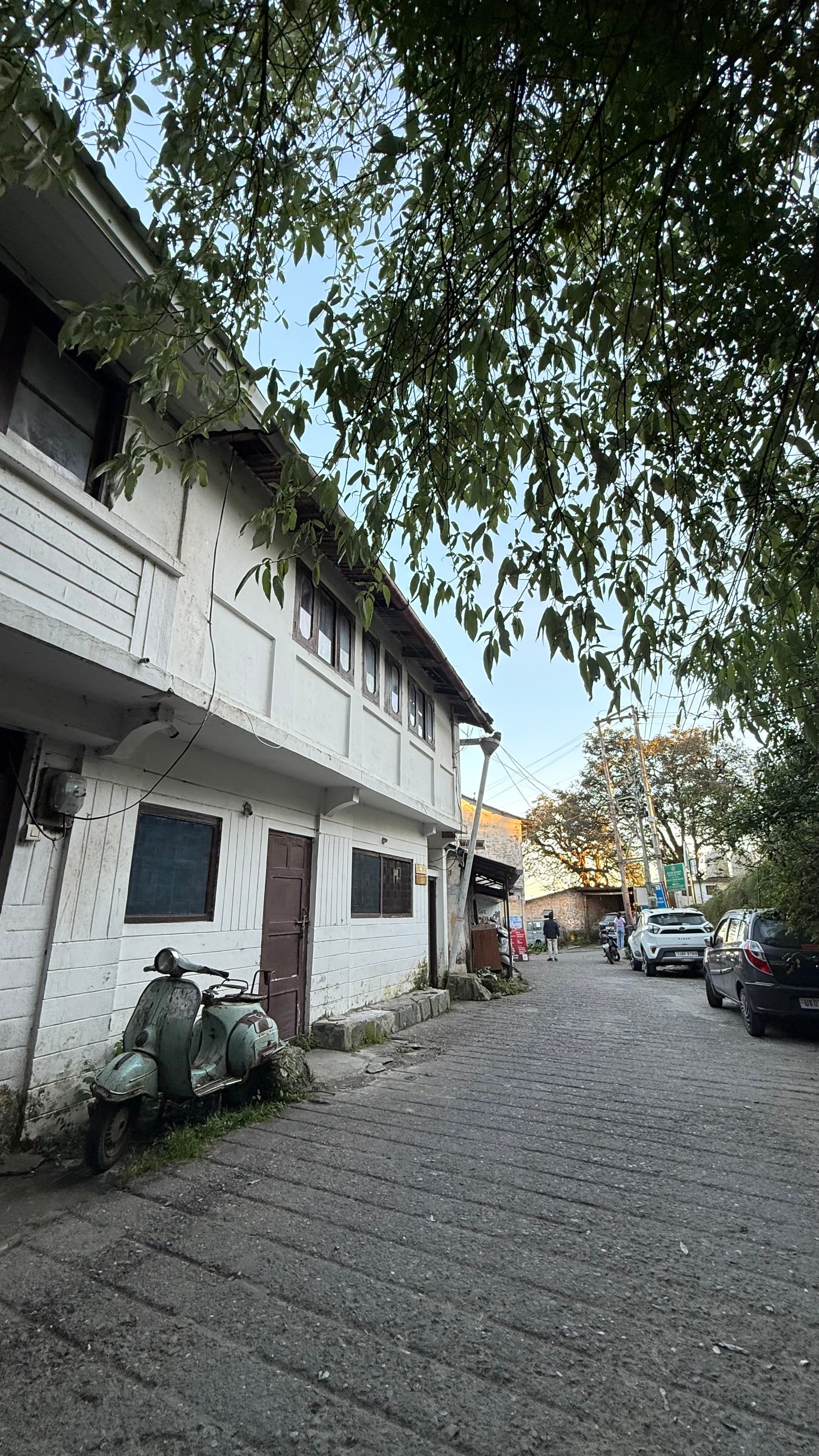
Wooden homes sit low to the ground, as if bowing to the mountains. Smoke rises from chimneys like prayers that forgot words. Life here is not fast, not ambitious just rooted.
History Written Softly, Not Loudly
Unlike royal cities or battle-scarred forts, Harsil’s history is quiet.
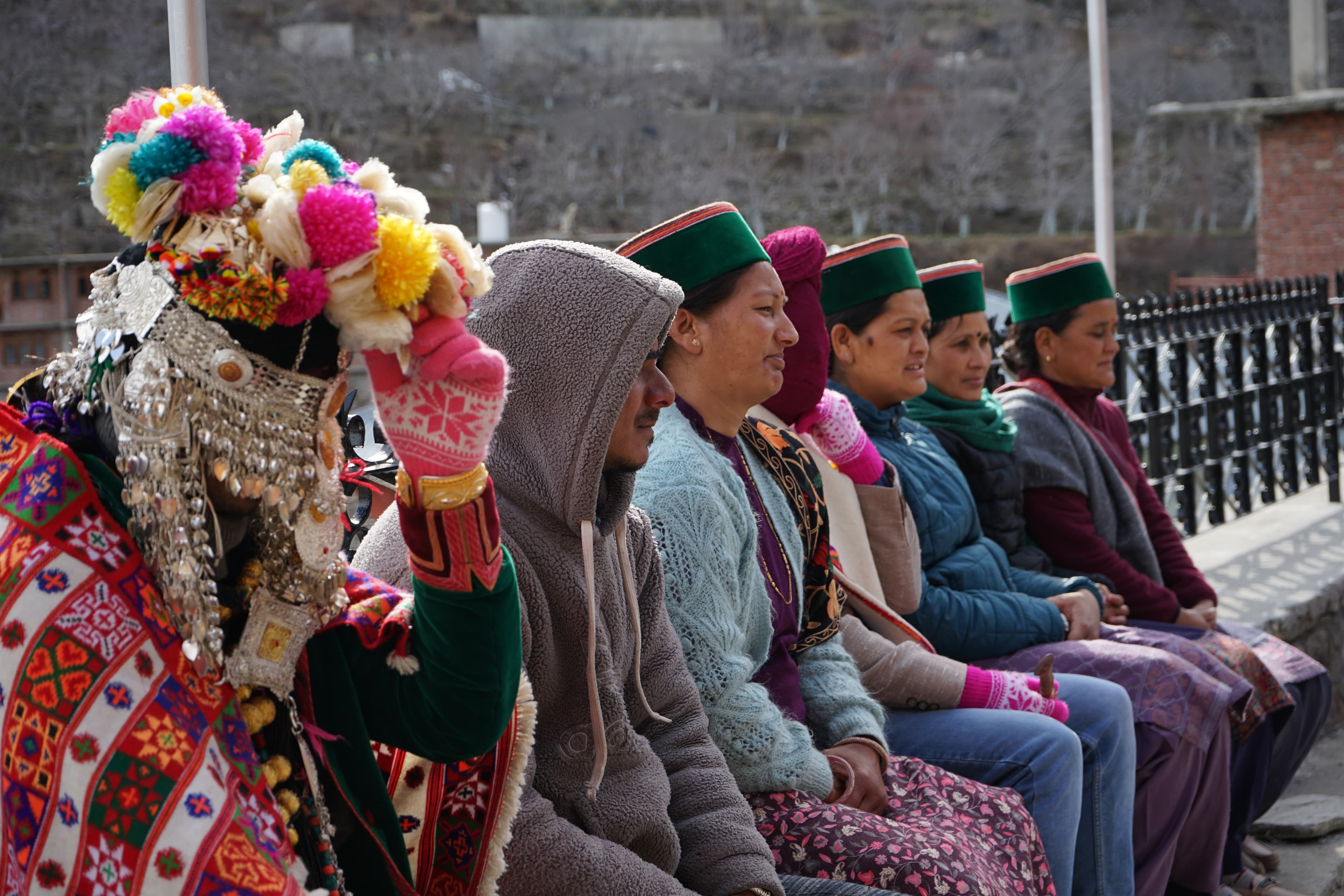
This valley has long been home to communities tied to the Garhwali Himalayan culture, living in rhythm with seasons, snow, and the river. The Bhagirathi was never just water it was life, route, and witness.
During British times, Harsil briefly entered the outside world’s imagination when Frederick Wilson, known locally as Raja Wilson, settled here in the 19th century. A hunter-turned-trader, he built timber businesses, apple orchards, and even introduced certain architectural influences.
Yet even Wilson could not change Harsil’s soul.
The valley allowed him to stay but never to dominate.
Dharali: Where the Valley Breathes
Just a few kilometers ahead lies Dharali, often considered the heart of Harsil Valley.
Dharali feels alive in a gentle way. Fields stretch wide, apple orchards line the roads, and the river flows closer to human life. Children play without hurry. Elders sit facing the mountains, not the road.
In autumn, Dharali turns cinematic golden trees, clear skies, and a silence so deep you can hear footsteps echo in your thoughts. It is here you realize:
this valley doesn’t belong to humans humans belong to it.
Mukhwa: The Winter Home of a Goddess
Further ahead is Mukhwa, a village that carries deep spiritual weight.
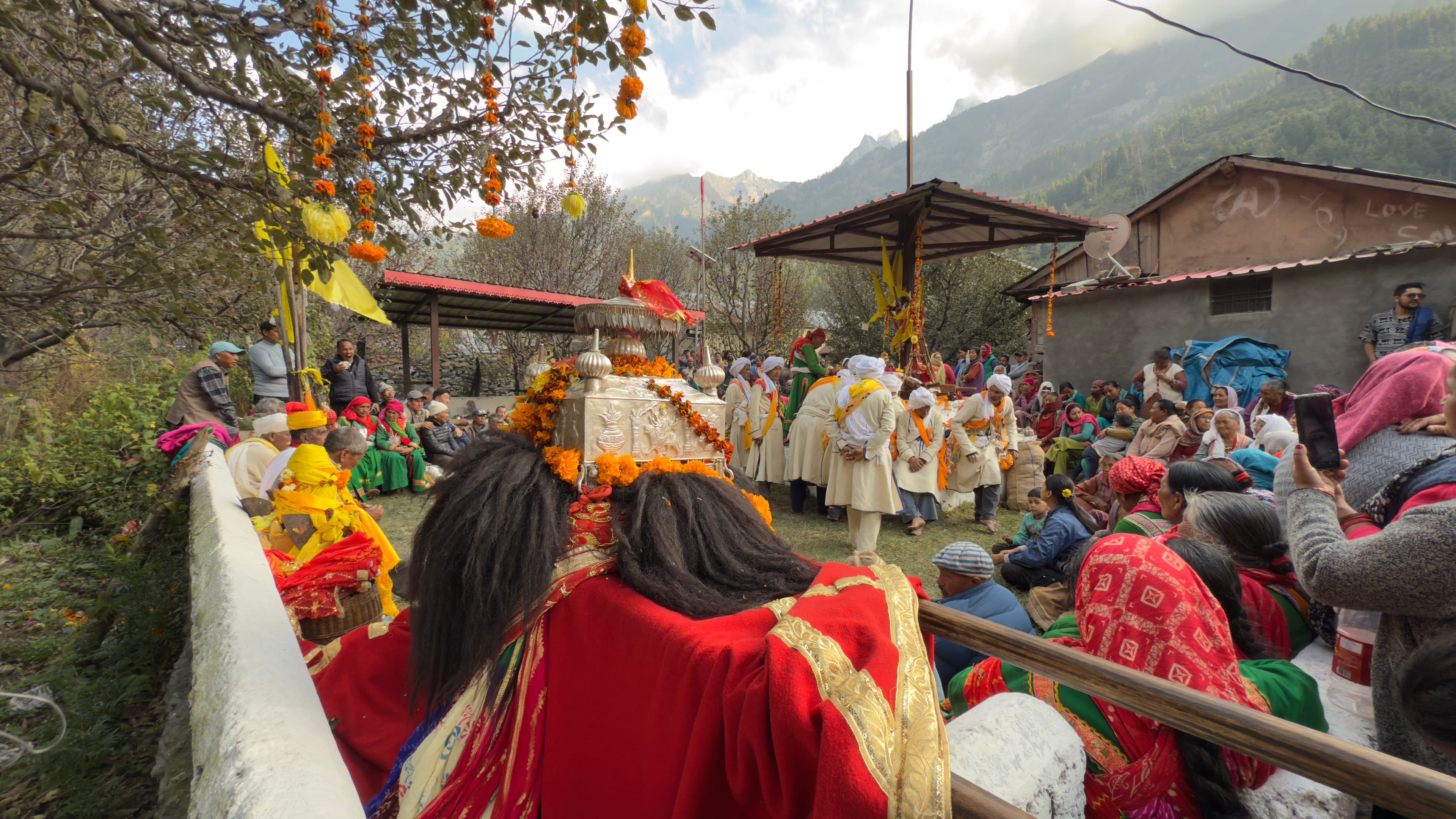
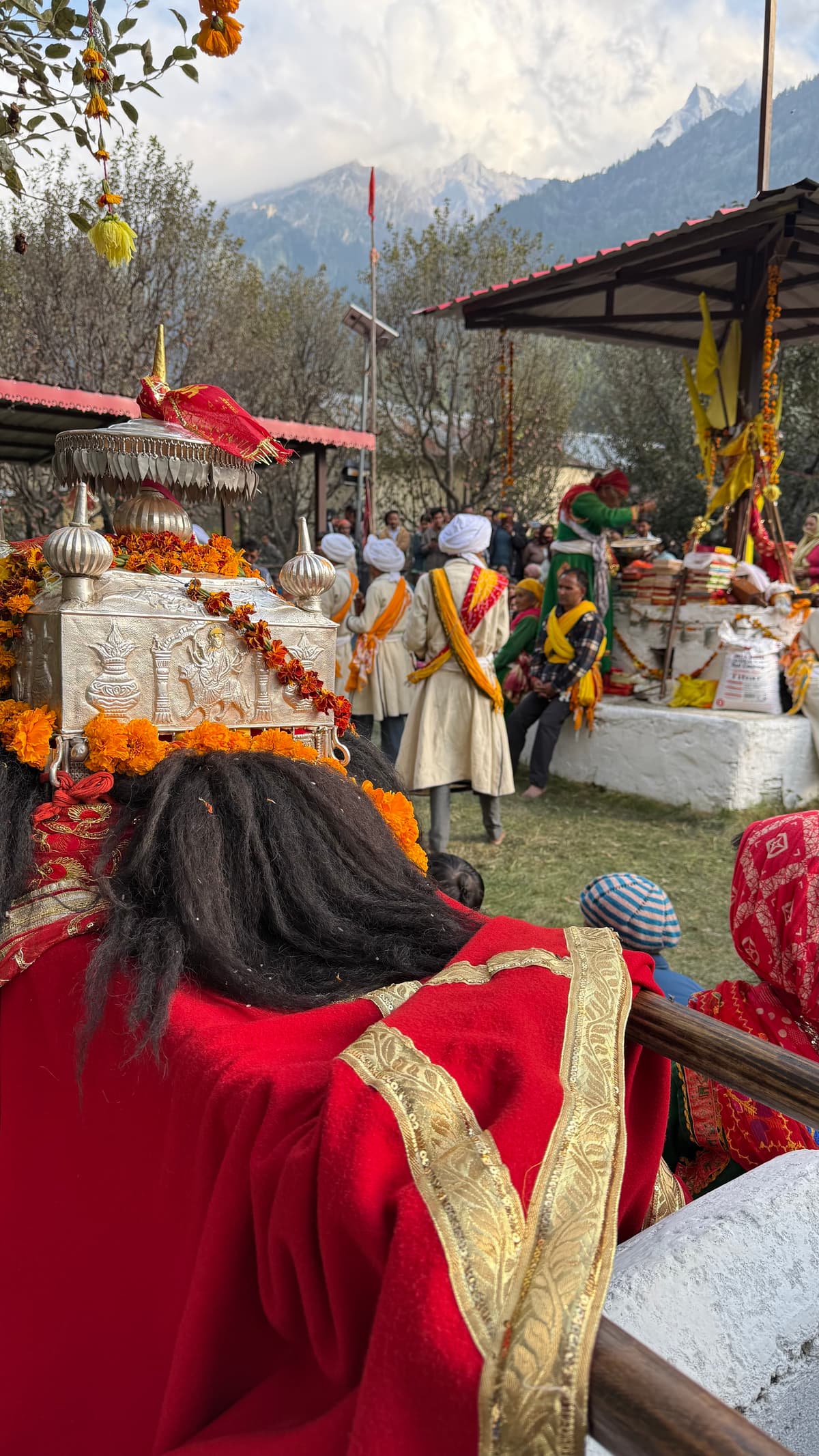
When heavy snow shuts Gangotri in winter, the idol of Goddess Ganga is brought down to Mukhwa. For months, prayers, rituals, and devotion shift here. The divine follows the seasons just like the people.
Mukhwa is not dramatic. It is devout without display.
Stone houses, narrow lanes, quiet temples faith here whispers instead of chants.
Bagori: The Oldest Silence
On the other side lies Bagori, believed to be one of the oldest settlements in the valley.
Bagori feels like memory itself. Houses cluster close, traditions remain intact, and life unfolds almost exactly as it did decades ago. If Harsil is a poem, Bagori is its first draft untouched, honest, raw.
Seasons as Story Arcs
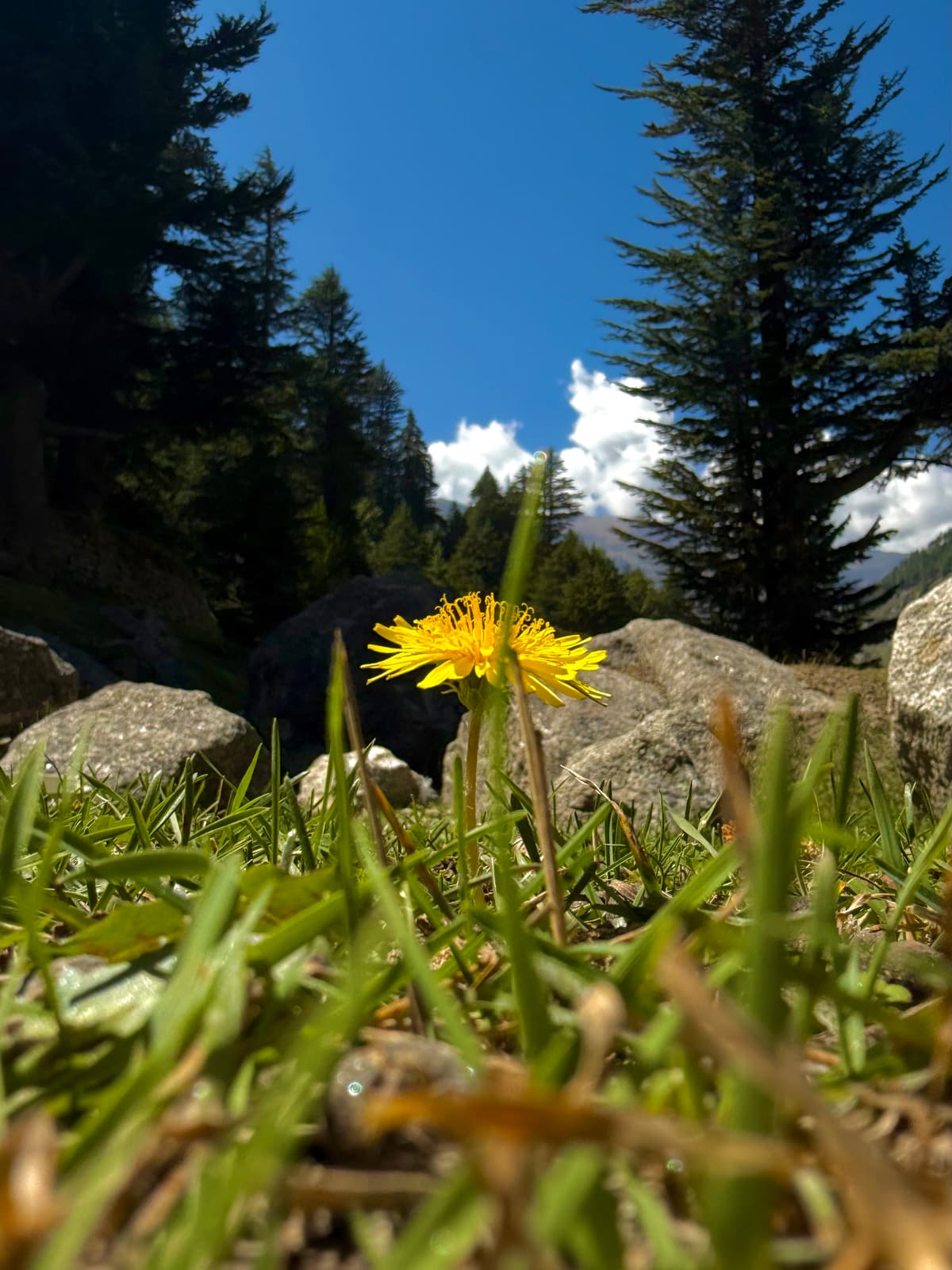
- Spring brings soft greens and returning birds
- Summer keeps the valley cool while plains burn
- Autumn turns Harsil into gold its most cinematic act
- Winter erases roads, sounds, and ego with snow
Each season changes the valley, but never its temperament.
What Harsil Teaches You (Without Trying)
Harsil does not inspire hustle.
It dissolves it.
Here, you learn:
- that silence can be complete
- that life doesn’t need constant motion
- that being small is not weakness
The valley never asks you to stay.
It only asks you to notice.
The Final Scene
When you leave Harsil Valley, there is no dramatic goodbye. No last look back that feels enough. The mountains don’t wave.
But days later, in noise and deadlines and screens, you’ll feel it—
a sudden pause in your chest,
a longing for colder air,
a memory of a river moving endlessly without urgency.
That’s when you understand:
Harsil was never a trip.
It was a slow film
and a part of it is still running inside you.
Visual Stories
Places Along the Way
Written by
Anonymous
A wanderer at heart, capturing moments and sharing stories from the road less traveled.
Learn moreContinue Reading